

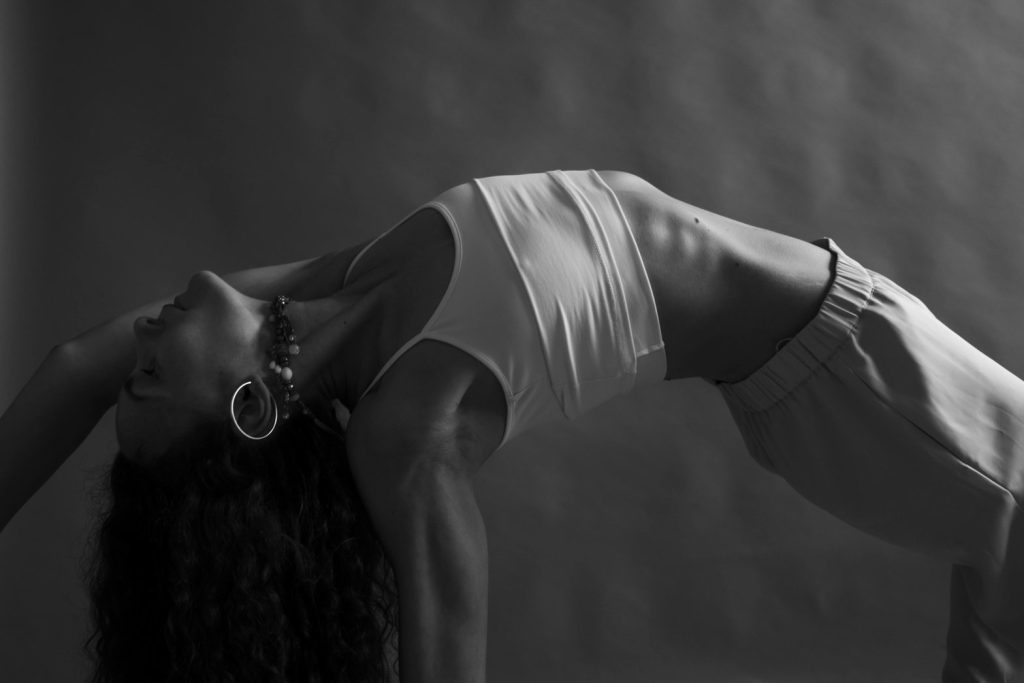
Period-Proof Your Fitness Routine With Cycle-Synced Training – Blavity
For years, mainstream fitness culture has promoted consistency as the ultimate marker of discipline. There’s this idea that you need to show up every day, push harder, and ignore discomfort. For people with menstrual cycles, however, that rigid approach often fails to account for a basic biological reality. Hormones fluctuate throughout the month, and those changes affect how the body responds to exercise.
Cycle-synced training, an approach that aligns workouts with the four phases of the menstrual cycle, is gaining traction among trainers, physical therapists and medical professionals. Advocates say it can reduce injury risk, improve performance and help people build a more sustainable relationship with movement.
Michelle Agudelo, a cycle-syncing advocate, certified fertility awareness educator and menstrual health practitioner, explains the cycle using a seasonal framework (winter, spring, summer and fall) to make the hormonal shifts easier to understand and apply in daily life.
Medical research supports the idea that estrogen and progesterone fluctuations influence energy levels, pain tolerance, muscle recovery and joint stability, according to the American College of Sports Medicine and the National Institutes of Health. Those shifts help explain why a workout that feels manageable one week can feel exhausting the next.
Menstrual Phase: Winter
The menstrual phase begins on the first day of bleeding and is marked by the lowest levels of estrogen and progesterone. Many people experience fatigue, cramping and lower pain tolerance during this time. Inflammatory markers are also higher, which can make intense exercise feel more taxing, according to the ACSM.
Agudelo refers to this phase as “winter” because it is a period of natural withdrawal and restoration. She encourages low-effort movement or rest, noting that the body is already working hard internally.
“Many women have lower energy and slower recovery times during this phase,” she said. “The best movement here is walking, gentle yoga or simply resting.”
Menstruation is also a time to focus on relaxation rather than constant core engagement. Gentle stretching and breathwork can help reduce pelvic tension. Aggressive abdominal exercises or high-impact training during this phase may exacerbate pain or pressure, particularly for those with underlying pelvic floor dysfunction.
Follicular Phase: Spring
After menstruation ends, estrogen begins to rise, often bringing increased energy, motivation and mental clarity. This phase, which Agudelo compares to spring, is associated with improved coordination and faster muscle recovery, according to research from the NIH.
“This is the perfect time to begin a new workout routine,” Agudelo said. “Estrogen supports goal-setting and openness to trying new things.”
Neuromuscular efficiency improves during the follicular phase, making it a favorable time to experiment with new forms of movement. Activities that involve learning, rhythm or moderate cardiovascular effort often feel more accessible during this window.
From a pelvic health perspective, maintaining proper breathing during exercise is key. Coordinating exhalation with exertion to reduce unnecessary strain on the pelvic floor as activity levels increase, is key during this phase of your cycle.
Ovulatory Phase: Summer
Ovulation occurs mid-cycle, when estrogen peaks. Many people report feeling more confident, social and physically capable during this phase. Many studies indicate that pain tolerance is higher and perceived exertion is lower, which can make high-intensity workouts feel easier.
Agudelo refers to ovulation as “summer,” a time when energy is abundant and the body is primed for challenge.
“You’re able to wake up early and smash out a HIIT class,” she said. “High-intensity workouts tend to feel easier here.”
However, sports medicine research has found that elevated estrogen levels can increase joint laxity, particularly in the knees and hips. This has been linked to a higher risk of ligament injuries, including ACL tears, according to the British Journal of Sports Medicine. Experts recommend thorough warmups, attention to form and avoiding excessive stretching during this phase.
Many professionals also advise against breath-holding during high-impact or heavy lifting exercises, as it can increase intra-abdominal pressure and contribute to leaking or pelvic discomfort.
Luteal phase: Fall
Following ovulation, progesterone rises and the body transitions into the luteal phase, which Agudelo describes as fall. Energy levels may begin to decline, and some people experience bloating, sleep disruption or premenstrual symptoms. Progesterone also raises core body temperature, which can make endurance-based workouts feel more difficult.
Despite this, research published in the Journal of Strength and Conditioning Research suggests that strength output often remains stable during the luteal phase. Slower, controlled resistance training may feel more supportive than fast-paced or high-impact exercise.
“Fall is all about power,” Agudelo said. “Not necessarily fast workouts, but strength training with intention.”
Pelvic floor symptoms such as pressure or leaking are more likely to appear during the late luteal phase, according to OB-GYN and pelvic physical therapy research. Specialists emphasize that while these symptoms are common, they are not normal and should not be dismissed. Adjusting training intensity, prioritizing rest days and seeking pelvic health care when symptoms persist are key recommendations.
A Flexible Approach to Fitness
Cycle-aware training challenges the idea that progress requires the same output every day. Instead, it encourages flexibility and responsiveness to the body’s changing needs.
“Listen to your body rather than a studio schedule,” Agudelo said. “If you’re in your inner winter, you have permission to rest without guilt.”
That approach may be particularly important for Black women, who are more likely to have pain minimized or overlooked in medical and fitness settings.
Ultimately, cycle-synced fitness is not about doing less. It is about recognizing that strength, rest and recovery are not opposites, but parts of the same system. One that changes with the seasons of the body.
The post Period-Proof Your Fitness Routine With Cycle-Synced Training appeared first on Blavity.
Source link
#PeriodProof #Fitness #Routine #CycleSynced #Training #Blavity
powered by Auto Youtube Summarize
Categories Health Line News
Tags 21Ninety Beauty black women Blavity Career CycleSynced empowerment Fitness Lifestyle PeriodProof Relationships Routine Training Wellness